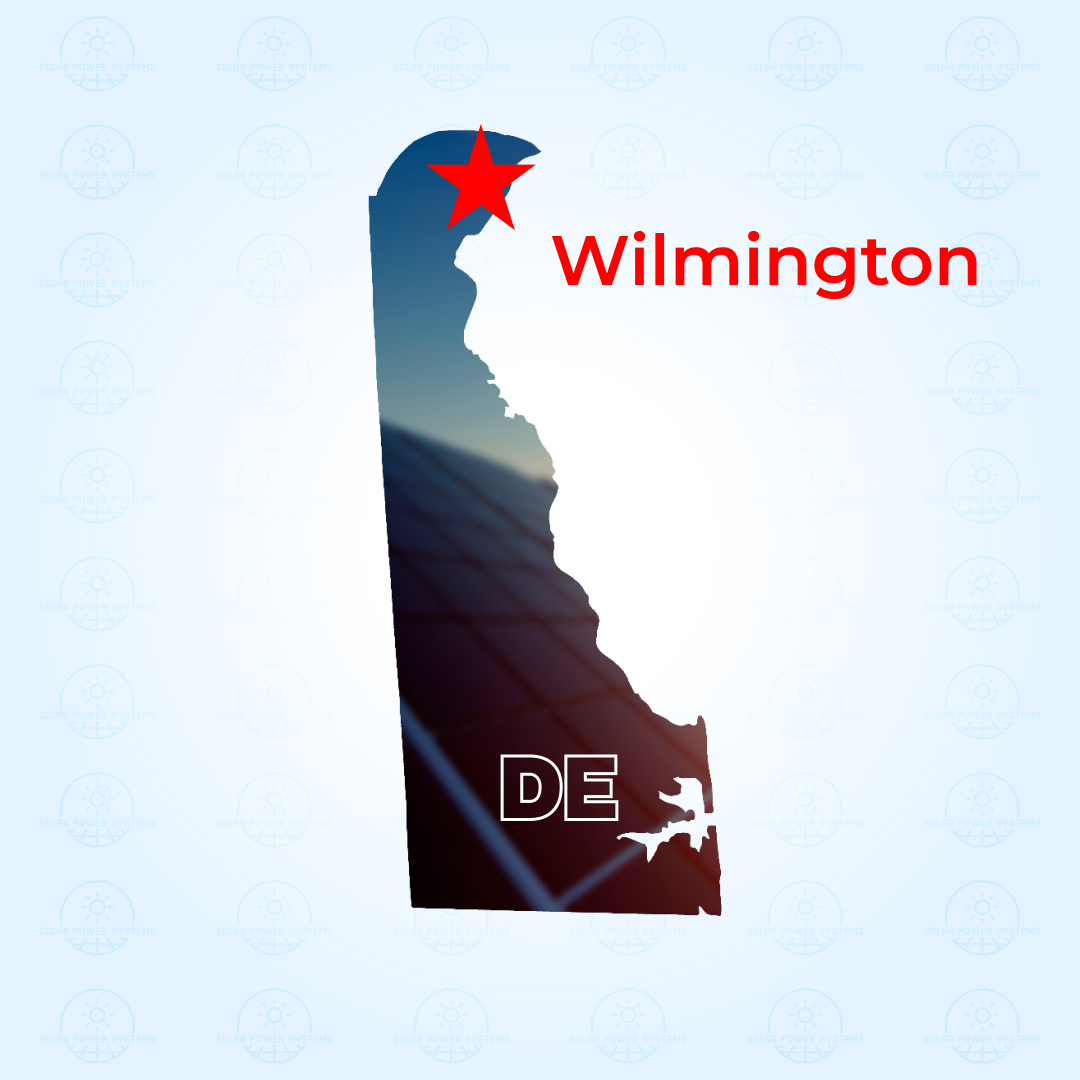
There’s no shortage of solar companies in Delaware. So we figured, why not save you some time? We researched the local residential solar installers and read through hundreds of reviews.
These residential solar companies made the cut because they do good work consistently. They understand Delaware’s solar scene, they’re responsive when issues pop up, and their customers tend to be happy. Worth a conversation if you’re serious about solar energy for residential homes.
Find the Best Solar Installers in Delaware

Panda Exteriors review 8 W Loockerman St Suite 201, Dover, DE 19904, United States
RCL Enterprises review 29 Alloway Friesburg Rd, Alloway Township NJ, 08001
With an overall third-party rating of 4+ and positive feedback across more than 10 reviews from different platforms, RCL Enterprises read more…
Eco Solar Solutions review 36 Austins Way, Elkton MD, 21921
Our Expert Choice badge goes to Eco Solar Solutions, which concentrates on serving fewer than 3 states. With a foundation read more…
CMI Solar & Electric review 83A Albe Drive Newark, DE 19702
With an overall third-party rating of 4+ and positive feedback across more than 10 reviews from different platforms, CMI Solar read more…
Clean Energy USA review 20184 Phillips St Rehoboth Beach DE 19971
With an overall third-party rating of 4+ and positive feedback across more than 10 reviews from different platforms, Clean Energy read more…

SunnyMac review 413 8th Ave, Wilmington DE, 19805
Our Expert Choice badge goes to SunnyMac Solar, which concentrates on serving fewer than 4 states. With a foundation dating read more…
SunLife review 3 Germay Dr Unit 4-1478, Wilmington, DE 19804, United States
With an overall third-party rating of 4+ and positive feedback across more than 10 reviews from different platforms, SunLife is read more…
Green Street Solar review 28203 Oaklands Rd, Easton MD, 21601
Our Expert Choice badge goes to Green Street Solar, which concentrates on serving fewer than 2 states. With a foundation read more…
Seapoint Solar review 3 Myers Drive, Mullica Hill, NJ 08062
With an overall third-party rating of 4+ and positive feedback across more than 10 reviews from different platforms, Seapoint Solar read more…
TerraSol Energies, Inc. review 64 Watkin Ave, Chadds Ford, PA 19317, United States
TerraSol Energies, Inc. is rewarded with our Expert Choice badge, serving an exclusive area of fewer than 4 states. With read more…
Power Factor review 8240 Beachwood Rd, Baltimore, 21222, MD, US
With an overall third-party rating of 4+ and positive feedback across more than 10 reviews from different platforms, Power Factor read more…
Green Street Solar review 117 Dixon Street Selbyville, DE 19975
Our Expert Choice badge goes to Green Street Solar, which concentrates on serving fewer than 2 states. With a foundation read more…
American Sentry Solar review 221 Gateway Dr. Bel Air, MD 21014
Our Expert Choice badge goes to American Sentry Solar, which concentrates on serving fewer than 3 states. With a foundation read more…
Sun Up Zero Down review 6105 West Jersey Ave Suite 3, Egg harbor township, NJ 08234, United States
With an overall third-party rating of 4+ and positive feedback across more than 10 reviews from different platforms, Sun Up read more…
Open Sky Energy review 6 Park Ave, Swarthmore, PA 19081, Swarthmore, Pennsylvania, United States
With an overall third-party rating of 4+ and positive feedback across more than 10 reviews from different platforms, Open Sky read more…
SunnyMac review 1451 Chews Landing Road Building 100, Clementon NJ, 08021
Our Expert Choice badge goes to SunnyMac Solar, which concentrates on serving fewer than 4 states. With a foundation dating read more…

Solar SME review Chestnut Ave, Bowie MD, 20715
With an overall third-party rating of 4+ and positive feedback across more than 10 reviews from different platforms, SolarSME, Inc read more…
Soaring Solar review 240 S White Horse Pike, Hammonton, NJ 08037, United States
With an overall third-party rating of 4+ and positive feedback across more than 10 reviews from different platforms, Soaring Solar read more…
Circa Energy review 1125 West Street Suite 522, Annapolis MD, 21401
With an overall third-party rating of 4+ and positive feedback across more than 10 reviews from different platforms, Circa Energy read more…
Paradise Energy Solutions review 436 Snow Hill Rd, Salisbury MD, 21804
Our Expert Choice badge goes to Paradise Energy Solutions, which concentrates on serving fewer than 8 states. With a foundation read more…
How Much Can Residential Solar Panels Save You in Delaware?
There’s no simple answer to how much you’ll save with solar power for residential homes in Delaware – it really depends on your situation. Your utility company’s billing structure matters, as does the size of the residential solar power system your roof can handle and how much electricity your household uses. Most installers will try to cover all your energy needs, but your actual savings depend on your home’s unique setup.
Before incentives, expect to pay somewhere between $15,000 and $30,000 for a typical residential solar installation in Delaware. The exact cost depends on your residential solar energy system size and energy requirements.
Want an estimate just for you? Fill out the form on our website, try a solar calculator, or consult with a couple of local residential solar installers for a personalized savings calculation.
Solar Financing Explained for Residential Solar Systems
You’ve got several ways to pay for solar panels:
- Cash
- Solar loans from installers
- Personal loans
- Cash-out refinance or HELOC
- Solar leases or PPAs
Paying Cash: Cash gives you the best long-term savings and the lowest overall cost for your residential solar power system. But let’s be real – not everyone has $15,000 to $20,000 sitting in the bank. If you want to own your system but can’t pay up front, financing is your next option.
Getting a Loan: Personal loans, home equity lines, or installer-offered solar loans all work. Just watch out for the fine print – loans come with interest and fees. Many solar loans include dealer fees that can bump up your total residential solar installation cost by 20% or more (they offset this with lower interest rates). Smart move? Compare dealer fees and rates between different residential solar companies before signing anything.
Don’t skip this: ask for their cost per watt. That’s your real comparison tool when residential solar energy system sizes vary between installers.
Leasing or PPAs: Some businesses let you rent or buy power with no money down. It sounds great, doesn’t it? The catch is that you don’t own the panels, so you can’t get rebates or federal incentives. Also, the monthly payments to the solar company take money out of your savings.
Get detailed savings projections from installers before deciding. Even with financing costs, you’ll typically still pay less for electricity than you do now. Understanding all your options – including available federal and state programs – helps you make the smartest financial choice for your residential solar energy system.
Discover Your Solar Savings in 60 Seconds
Get instant estimates powered by Google Solar API – See your roof's energy potential, cost savings, and environmental impact
How Much Do Solar Panels Cost in Delaware in 2026?
Looking at solar for your Delaware home? You're looking at $2.25 to $3.11 per watt right now. That residential solar cost per watt puts Delaware in a pretty good spot if you're thinking about solar energy for residential homes.
Delaware Solar Panel Prices by System Size
What you'll actually pay for solar panels depends mostly on how big your system needs to be. Here's the breakdown:
| System Size | Cost Before Incentives | Cost After State Rebates | Monthly Savings | Annual Savings |
|---|---|---|---|---|
| 5 kW | $11,250 - $15,550 | $7,750 - $12,050 | $95 - $125 | $1,140 - $1,500 |
| 6 kW | $13,500 - $18,660 | $9,300 - $14,460 | $115 - $150 | $1,380 - $1,800 |
| 8 kW | $18,000 - $24,880 | $12,400 - $19,280 | $150 - $200 | $1,800 - $2,400 |
| 10 kW | $22,500 - $31,100 | $16,500 - $25,100 | $190 - $250 | $2,280 - $3,000 |
| Pricing Disclaimer: The solar panel prices shown are estimates based on data collected from online sources as of January 2026. Actual costs may vary based on your location, system specifications, and installer. | ||||
Most folks in Delaware end up needing somewhere between 8 and 9.5 kW. Your average household here uses 900 to 1,300 kWh each month. Electricity costs about 16.91¢/kWh, so you're probably spending $150-$220 monthly on power.
The average cost of a residential solar system isn't just panels—you're paying for inverters, all the mounting gear, wiring, and someone who actually knows what they're doing to install it.
Solar Incentives in Delaware
Here's where it gets interesting. The cost of solar panel installation drops significantly once you factor in what the state offers.
Your rebate depends on your utility company:
- Delmarva Power customers: You get 70¢ back per watt, maxing out at $6,000
- Delaware Electric Cooperative: 50¢/watt for your first 5 kW, then 20¢/watt after that. Stops at $2,000 total
- DEMEC (but only if you're in Newark): $1/watt for the first 5 kW, then 50¢/watt. Caps at $3,500
SRECs are basically free money:
Your panels generate these Solar Renewable Energy Certificates that you can actually sell. You'll make around $325 a year for the first decade, which adds up to roughly $4,600 over 25 years. Not bad for doing nothing.
Net metering here is solid:
When your system makes more power than you're using, the extra goes back to the grid and you get credits at full retail rate. Those credits carry over month to month, which really helps with your savings.
If money's tight:
Low-income households can qualify for free installations (up to 4 kW). Moderate-income families can get solar loans that cover 70% of the installation costs.
Does Solar Actually Make Sense in Delaware?
Are solar panels worth it in Delaware? Let's be real about the numbers:
Money-wise:
- You'll break even in 7-10 years
- Save $25,000-$50,000 over 25 years
- That's an 8-12% return each year
When you're figuring out how much does it cost to install solar panels versus what you'll save long-term, the cost of solar panels in Delaware works out pretty well once you add up the state rebates, that SREC money, and net metering.
Your home's worth more:
Solar bumps up home value by about 4.1%. For a typical Delaware house worth $375,000, that's around $15,400 more when you sell. Just make sure you own the system—leases don't add value.
The environmental angle:
An 8 kW setup offsets 10,000-12,000 pounds of CO₂ every year. That's like planting 150-180 trees annually, if you care about that sort of thing.
Picking Someone to Install Your System
The residential solar companies you choose really matters. Bad installers mean headaches down the road. Here's what to look for when comparing residential solar installers:
- NABCEP certification shows they know their stuff
- At least 5-10 years actually working in Delaware
- Check what people say on Google and SolarReviews.com
- Make sure quotes spell out exactly what the cost of solar panel installation includes
- Warranties should be 25 years on panels, 10-15 on inverters
- They need to handle all the paperwork—permits, utility stuff, getting you enrolled for rebates
Talk to 3-5 different companies so you can see how solar panels prices compare, what equipment they're proposing, and whether they're actually responsive. You need to understand how much are solar panels from each one to spot a good deal.
How You'll Pay for It
- Cash: Lowest total solar panels cost. You own everything, no strings attached
- Solar loans: Nothing down, you own the system, you keep all the incentives
- Home equity loan: The interest might be tax-deductible
- Skip leases and PPAs: You lose out on state rebates and you don't own the SRECs
Timeline
Residential solar installation usually takes 2-4 months start to finish. That's consultation, permits, ordering equipment, actual installation (1-3 days), and final inspection.
Action Steps for 2026
Delaware gets 202-250 sunny days a year. The net metering's good, the SREC market's solid, and utility rebates help a lot. That makes residential solar panels worth looking into in 2026. Yeah, the federal tax credit's gone, but state incentives and what you'll save on electricity still make solar worthwhile if you're planning to stick around 8-12+ years.
The cost for residential solar panels in Delaware, when you add up all the available solar incentives, makes financial sense for a lot of homeowners. Whether you're checking out solar panels in Wilmington, Dover, or anywhere else around here, knowing how much do solar panels cost in Delaware and what programs exist helps you figure out if solar energy for residential homes works for your situation.
Frequently Asked Questions
How Do We Rank Residential Solar Installers?
Picking a solar installer shouldn’t be a guessing game. We built our rating system to help homeowners make informed solar decisions and avoid common pitfalls in the industry.
Here’s how it works: 5-star system, plain and simple. Five stars means a company is legitimately excellent – the kind you’d recommend to your own family. One star? Run away. We wouldn’t touch them with a ten-foot pole, and neither should you. Our ratings pull from everywhere – EnergySage, SolarReviews, BBB, Google Reviews, Yelp, ConsumerAffairs, Trustpilot, the works. But we’re not just averaging star ratings like some algorithm. We read the actual reviews. Are they consistently delivering what they promise, or just occasionally getting lucky?
What Actually Matters When We Evaluate Residential Solar Companies?
- Years in business. Five minimum. Non-negotiable. If a company’s been around less than that, they haven’t weathered any real challenges yet. And think about it – solar panels last 25-30 years. You need an installer who’s built their business model around supporting customers long-term, not just showing up for installation day and disappearing.
- Local vs. national – and it’s not even close. Check the numbers yourself. Local residential solar installers consistently get better reviews than the big chains. Their reputation actually matters because word spreads fast in local communities. They know the permit process in Delaware specifically. They understand your local utility company’s quirks and requirements.
- Hands-on experience. Residential solar energy companies that have hundreds of installations behind them move differently. They’ve seen every bizarre roof situation. They know exactly how to handle older homes with outdated electrical wiring. First-time installers? They’re figuring it out as they go – on your roof, with your money.
- Who’s actually doing the work? Some companies use their own crews. Others outsource everything to whoever’s available. Guess which ones deliver better quality? When residential solar energy companies employ their own installation teams, those workers know they’re accountable. Something breaks later? You call the company, and they send the same team that did the original work. With subcontractors, you’re lucky if you can track down who actually touched your system.
- What people actually say. We check SolarReviews, BBB, Google, Yelp – anywhere real customers leave feedback. But star ratings alone don’t tell the whole story. How does a company handle a one-star review? Do they fix the problem or argue with the customer? Customer reviews show what really happens after you sign the contract.
- Licenses and certifications. Should be obvious, but apparently it’s not. Licensed, insured, NABCEP certified if possible (that’s the actual gold standard for residential solar panel installers, not marketing fluff). Companies cutting corners on basic credentials – what else are they skimping on?
- Equipment quality swings wildly. Good residential solar energy companies stock equipment from solid manufacturers – SunPower, LG, Panasonic, Canadian Solar, brands like that. Lower-tier installers? They push whatever vendor gave them the best wholesale price this quarter, regardless of quality. Ask them straight up: “What brands do you install and why those specifically?” Watch how they answer. That’ll tell you if they prioritize system performance or profit margins.
- Payment options. The best residential solar companies give you real choices – loans, leases, PPAs – and actually walk you through what makes sense for your situation. Huge red flag: companies that only offer one financing option. Usually means it’s structured to maximize their profit, not your savings.
- Warranties separate the pros from the amateurs. Look for 10-12 years on workmanship, minimum. Strong performance guarantees. Your residential solar power system costs serious money. It better have protection beyond the basic manufacturer’s warranty on the panels themselves.
Our Classification System: What the Tags Mean?
We label companies to save you research time:
- Expert Choice: Long-established companies with extensive workmanship warranties and in-house installation crews exclusively. The veterans with the strongest track records.
- Trusted Provider: Multi-state operations that still manage to deliver quality work. Good local reputation, positive customer feedback. They handle installations directly instead of outsourcing.
- Market Leader: Tons of verified reviews, customers are consistently happy. Proven track record of consistent, reliable service.
Stick with “Expert Choice,” “Trusted Provider,” or “Market Leader” tags. They earned those classifications through actual performance, not by paying for better placement. The difference matters more than you’d think.
What to Look for in a Residential Solar Company?
Shopping for solar energy for residential use? Here’s what separates good residential solar companies from ones you’ll regret hiring:
- Check credentials first. NABCEP certification is what you want to see – it’s the real deal in solar. Beyond that, make sure they’re licensed, bonded, and insured for your area. Using subcontractors? Those crews better have proper credentials, too, not just some guys with ladders.
- Experience isn’t optional. Five years minimum in the business. Don’t be someone’s practice run. Ask straight up: “How many residential solar energy systems have you installed?” A confident residential solar panel installer will tell you the number and walk you through their equipment choices without hesitation. They should explain how they’ll help you tap into available incentives – and if they can’t clearly explain their warranties, that’s a red flag.
- Communication tells you everything. Here’s a test: Ask specific questions. “Why do I need this many panels?” “Break down the costs based on my actual usage.” “What brands are you proposing and why?” “What’s your per-watt price?” Good residential solar installers answer directly. Sketchy ones dance around numbers or pressure you to sign fast. Trust your gut – if they’re dodgy with answers now, imagine dealing with them when something breaks.
- One more thing on communication: Ask about their subcontractors. Who’s actually doing the work? How are they supervised? You deserve real answers.
- Your roof comes first. Any residential solar panel installer worth their salt will thoroughly inspect your roof before talking panels. They should tell you if repairs are needed upfront – not after they’ve torn into your shingles. Who pays if there’s damage during installation? Get that in writing. And yeah, talk about how it’ll look. Panel placement, where vents end up, all that matters when you’re staring at it every day.
- Do your homework on their reputation. Reviews matter, but dig deeper. Ask for references from recent customers. Even better – if you know anyone who’s gone solar, ask them who they used. Personal recommendations beat online reviews every time because people are brutally honest with friends.
- Always get multiple quotes. Always. Prices swing wildly between residential solar companies – sometimes by thousands. Here’s the key: calculate the cost per watt for each proposal. That’s your apples-to-apples comparison, even if residential solar energy system sizes differ slightly. Get three quotes minimum. You’ll quickly learn what’s fair pricing and what’s someone trying to fleece you.
Should You Choose a Local Solar Installer or a Big National Company?
Go local. It makes a difference.
Small local residential solar companies consistently get better reviews than big national operations. The reason is simple: solar energy for residential use is inherently a local business. Providing good customer service across multiple states from a central office? Nearly impossible.
Local residential solar energy companies have skin in the game. They know your area’s incentives and regulations inside and out. They care about their reputation because word spreads fast in local communities. And they’re not trying to hit some corporate sales quota – they want you to be happy so you’ll refer your neighbors.
National companies will pitch their “financial stability” and “consistent quality across locations.” Don’t buy it. When something goes wrong (and eventually, something always does), you want a local company that answers their phone and can send someone over – not a call center that routes you to whoever’s available.
Find a local residential solar panel installer that checks all your boxes and specializes in your area. You’ll be happier for it.
What Does a Residential Solar Installation in Delaware Look Like?
So you’ve approved your residential solar power system design. What happens next?
- They’ll dig into your energy use. Pull out your utility bills from the last year – installers need to see your actual consumption in kWh. This isn’t busywork. These numbers determine everything: how much you’ll save, when you’ll break even, and what size system makes sense for your home.
- Expect a home energy audit. Good residential solar energy companies don’t skip this. They’re looking at your consumption patterns, when you use the most power, all that. It’s how they properly size your system instead of just slapping panels up there and hoping for the best.
- Your roof gets scrutinized. Is it in decent shape? Facing the right direction? They’ll inspect everything – structural integrity, orientation, shading issues. This determines where panels go and how they’ll run the wiring without making your house look like a science experiment.
- Design gets finalized. They’ll show you renderings of what your residential solar energy system will actually look like on your roof, plus production estimates and costs specific to your situation.
- Paperwork time. Delaware requires permits for residential solar installation. The good news? Your installer handles this headache. If they’re telling you to pull permits yourself, find a different company.
- The waiting game. Here’s the reality: start to finish, you’re looking at about 3 months. Permits take time. Inspections take time. Getting utility approval takes time. The actual installation on your roof? That’s usually done in 3 days, maybe longer if your roof is complicated or the system is big. Most of those 3 months are just waiting on bureaucracy.
- Installation day arrives. The crew shows up, gets everything installed, and cleans up after themselves. Professional crews leave your property cleaner than they found it – you shouldn’t see a single zip tie or scrap of wire left behind. Just new panels on your roof.
- Inspection happens. The city sends someone out to verify everything meets code and safety regulations. This is required – no way around it. Once you pass, you’re almost there.
- Grid connection is the final step. Your residential solar power system gets wired to the utility company, you apply for interconnection, and they’ll inspect it, too. Some residential solar panel installers handle this entire process for you; others make you deal with the utility. Ask upfront who’s doing what. Once all the approvals are in? Flip the switch. You’re making your own power.
Find the Best Solar Panel Installation Companies for Homes Nearby